$25.18
$34.5
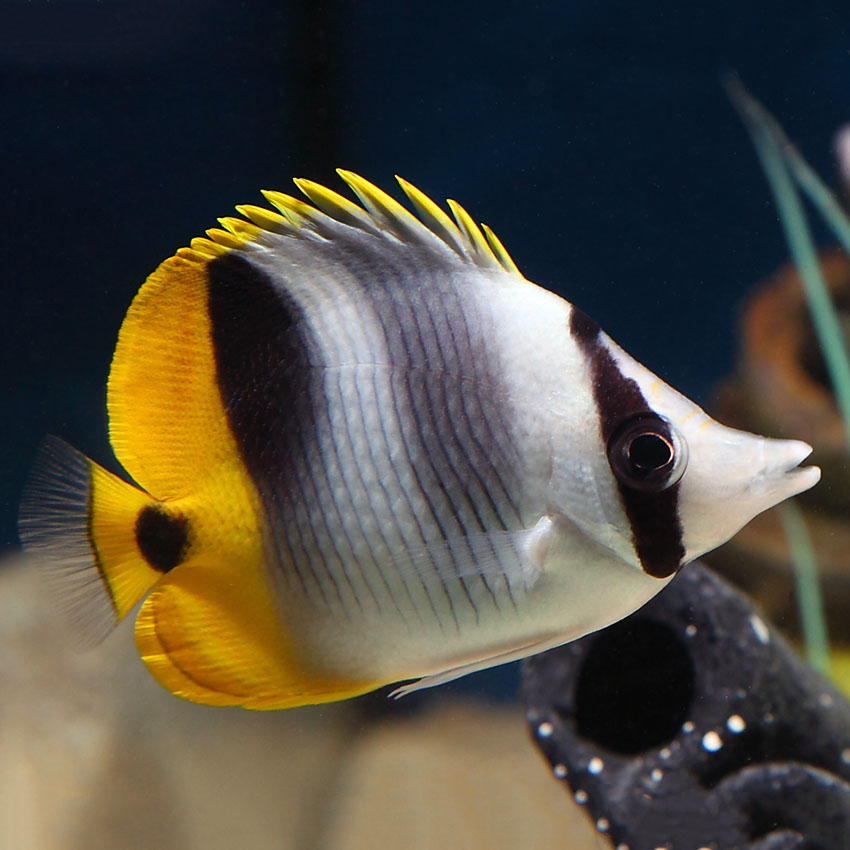
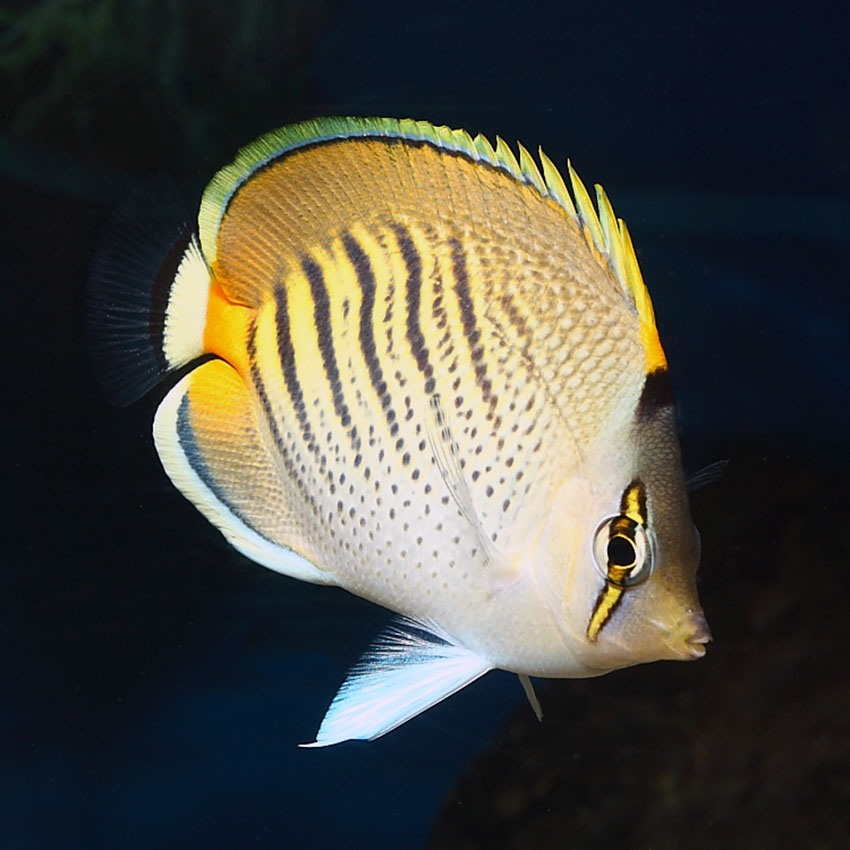
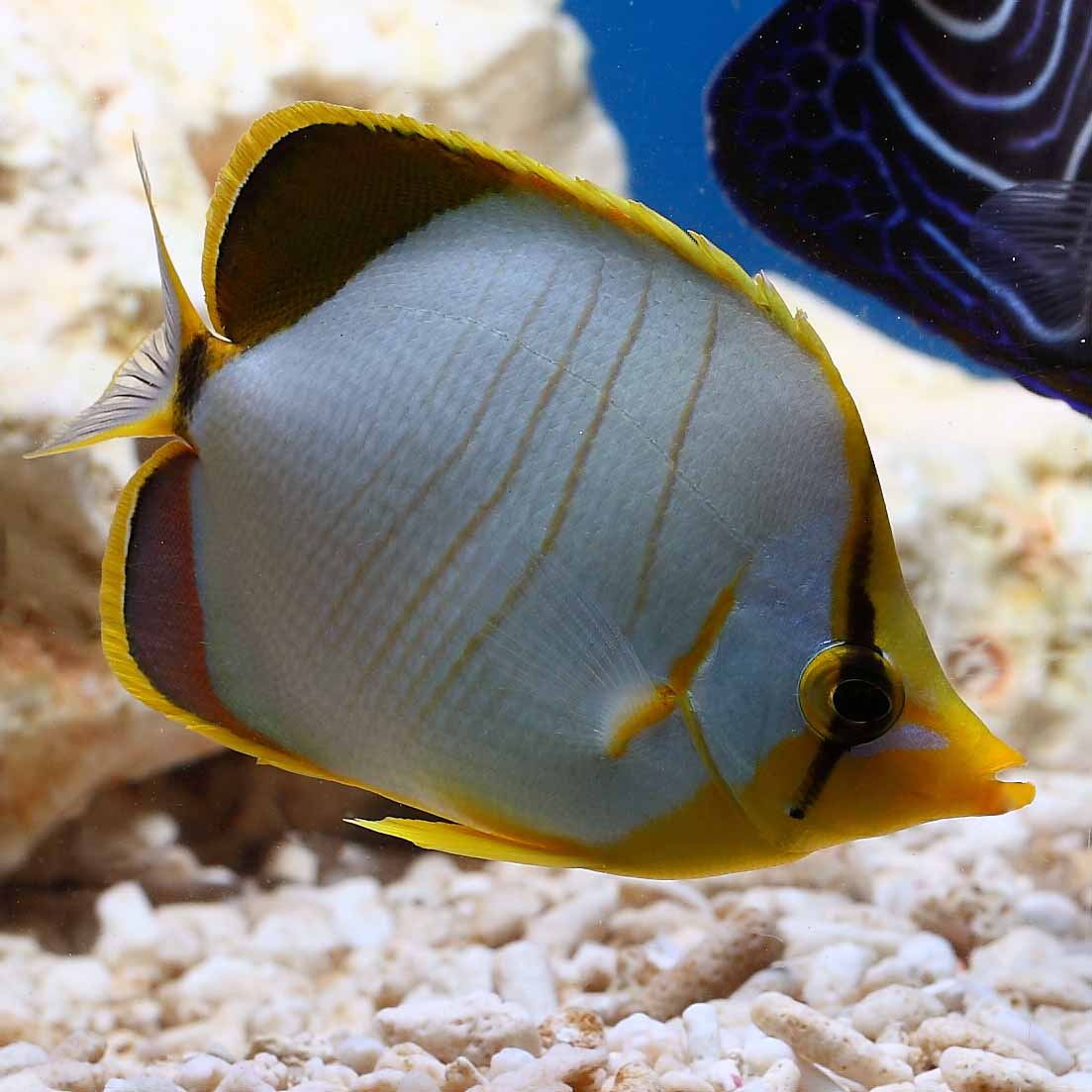
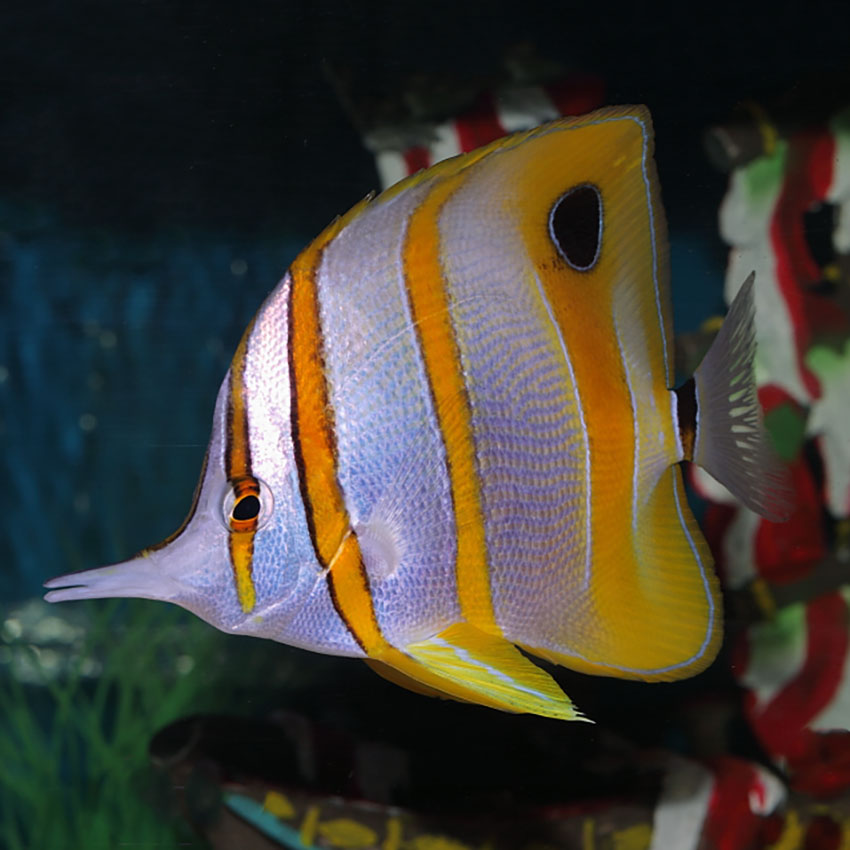
The Gold Rim Butterflyfish, Chaetodon xanthocephalus, also goes by the name Yellowhead Butterflyfish. This fish boasts a vibrant appearance with a striking combination of yellow and white colours. It typically reaches a maximum size of about 6 inches (15 cm). Taxonomy and Identification: Belonging to the Chaetodontidae family, this fish shares its genus, Chaetodon, with a wide array of butterflyfish species. Its closest relatives within this family include the Raccoon Butterflyfish (Chaetodon lunula) and the Threadfin Butterflyfish (Chaetodon auriga). The species name, “xanthocephalus,” is derived from the Greek words “xanthos,” meaning yellow, and “kephale,” meaning head, referencing its distinctive yellow head. Natural Habitat: In their natural habitat, Gold Rim Butterflyfish are commonly found in the warm, tropical waters of the Indo-Pacific. They inhabit coral reefs, which are vibrant ecosystems brimming with colourful corals, sponges, and various marine life. These fish often roam the reef flats and slopes, foraging for small invertebrates and coral polyps. Keeping Gold Rim Butterflyfish Healthy: Caring for Gold Rim Butterflyfish demands a moderate to high level of expertise in marine aquarium husbandry. They are considered somewhat challenging due to their specific dietary needs and potential for territorial behaviour. Maintaining stable water conditions, such as a temperature range of 75-82°F (24-28°C) and a pH of 8.1-8.4, is crucial. An appropriately sized tank with good water flow and high-quality filtration is essential. Special Requirements and Feeding: Gold Rim Butterflyfish are primarily coral polyp feeders in the wild. In captivity, their diet should consist of a variety of live or frozen foods, including brine shrimp, mysis shrimp, and specially formulated marine fish foods. Regular feedings should mimic their natural grazing behaviour on polyps. Care should be taken to ensure a well-balanced diet rich in protein and vitamins. How Many Should I Keep: It’s advisable to keep a single Gold Rim Butterflyfish or a mated pair in an aquarium setting. They can be territorial, particularly during feeding, which may lead to aggression towards conspecifics. Lighting Preference: These fish do not have specific lighting requirements, but they thrive under moderate to high-intensity lighting, which can help enhance the vibrant colours of their scales. Suitable Tank Mates: Gold Rim Butterflyfish can be compatible with a range of reef-safe species, including angelfish, tangs, and other butterflyfish, as long as there is ample space and hiding spots. However, caution should be exercised when selecting tank mates, as they may nip at certain corals and invertebrates. Ensure that tank mates share similar environmental preferences and dietary requirements to promote a harmonious marine ecosystem. Reproduction in the Wild: Gold Rim Butterflyfish, scientifically known as Chaetodon xanthocephalus, reproduce by forming monogamous pairs. In the wild, these pairs engage in intricate courtship rituals, culminating in the release of eggs and sperm into the water, where fertilization occurs. The fertilized eggs then drift in the water column until they hatch into larvae. Breeding Chaetodon xanthocephalus: Set-Up: Breeding Gold Rim Butterflyfish in a home aquarium can be challenging due to their specific requirements. Start with a well-established, mature reef aquarium, as the presence of live corals is vital. Ensure stable water conditions with a temperature range of 75-82°F (24-28°C) and a pH of 8.1-8.4. Courtship/Spawning: To encourage courtship and spawning, introduce a mated pair of Gold Rim Butterflyfish into the breeding tank. Courtship rituals involve intricate swimming patterns and displays. Spawning typically occurs near dawn. The female releases her eggs while the male simultaneously releases his sperm. Fertilization occurs in the water column. Rearing: Once the eggs are fertilized, they drift in the water column as planktonic larvae. These larvae are highly delicate and require specialized care. It’s crucial to provide them with a dedicated larval rearing system, equipped with appropriate filtration and temperature control. The larvae are initially nourished by their yolk sacs, and as they grow, you’ll need to introduce tiny live planktonic foods, such as rotifers and copepods. Consistent water quality and proper feeding are paramount for successful rearing. As the larvae develop, they will undergo metamorphosis into juvenile fish, at which point they can be transferred to a larger aquarium. Sexual Dimorphism: Gold Rim Butterflyfish do not exhibit pronounced sexual dimorphism, meaning that males and females generally look alike in terms of external appearance. Both sexes share the same vibrant yellow and white colours, making it challenging to visually distinguish between them. Distribution: The Gold Rim Butterflyfish, Chaetodon xanthocephalus, is native to the warm, tropical waters of the Indo-Pacific. Their natural range includes regions such as the Great Barrier Reef in Australia, the coral-rich waters of the Philippines, and various other locations across the Indo-Pacific. These areas provide the lush coral habitats necessary for their survival. Summary: The Gold Rim Butterflyfish, or Chaetodon xanthocephalus, is a captivating species known for its vibrant appearance and challenging care requirements. Reproduction in the wild involves monogamous pairs engaging in courtship rituals, followed by the release of eggs and sperm. Breeding in captivity requires a mature reef aquarium, dedicated care for fragile larvae, and specific water parameters. These fish do not display noticeable sexual dimorphism, and they originate from the diverse coral-rich habitats of the Indo-Pacific. Overall, the Gold Rim Butterflyfish presents a fascinating but demanding choice for dedicated marine aquarists.
Butterfly, Banner & Rabbit Fish