$30.63
$48.4
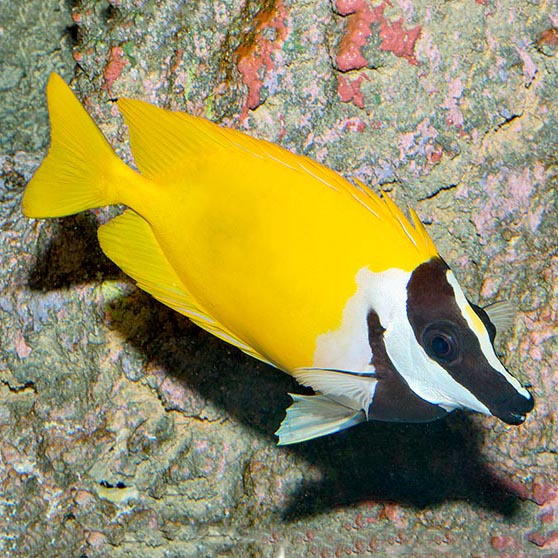
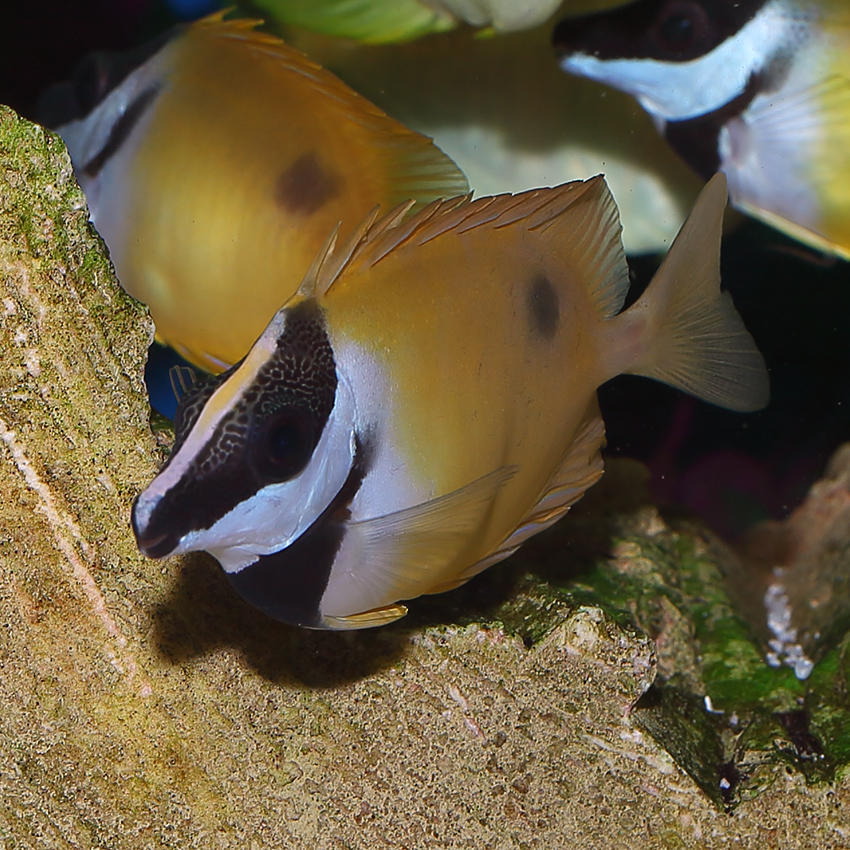
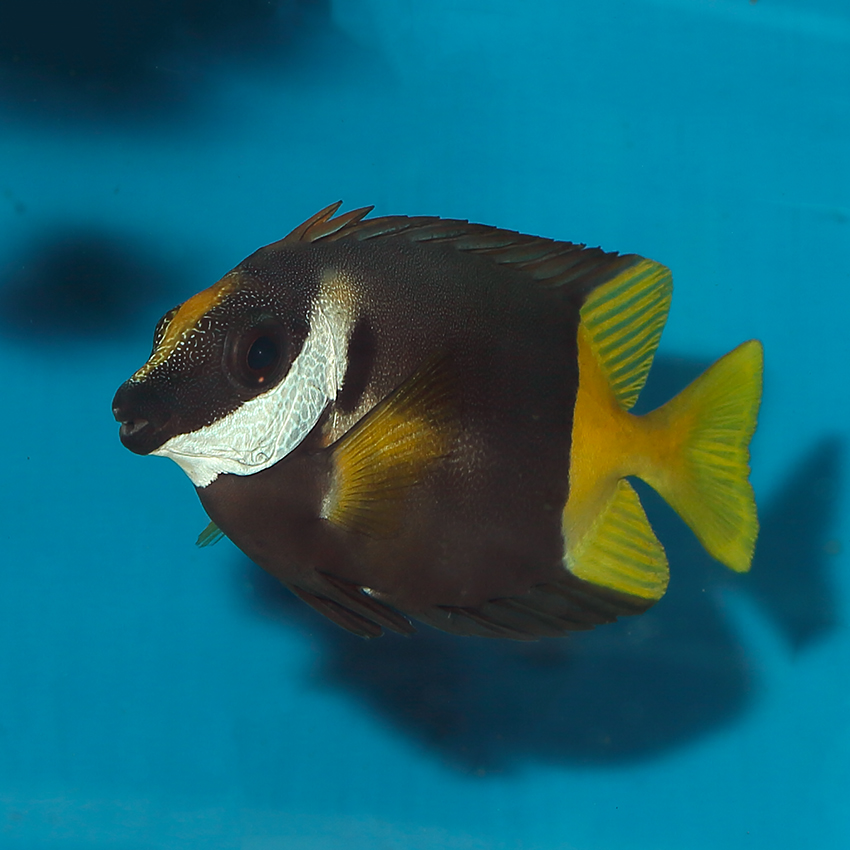
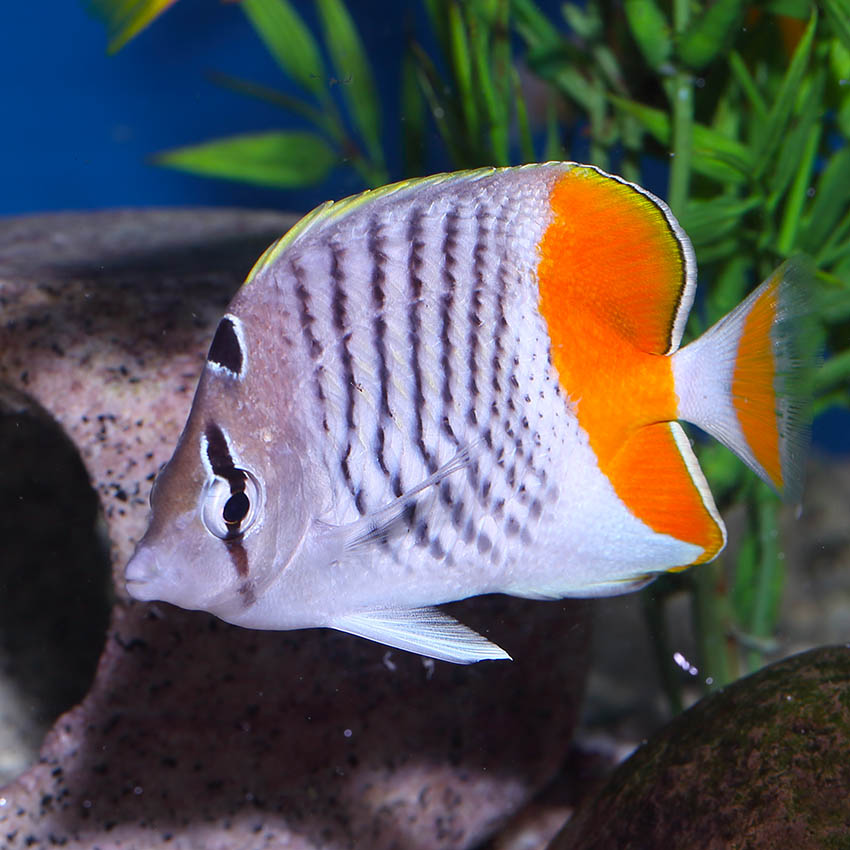
The Fox Face Vulpinus (Siganus vulpinus) is a beautiful marine fish known for its vibrant colours and bold markings. It can grow up to a maximum size of around 30 centimetres (12 inches). Taxonomy The Fox Face Vulpinus belongs to the genus Siganus and the family Siganidae. It is closely related to other rabbitfish species and shares common characteristics with them. The etymology of the genus name “Siganus” is derived from the Greek word “signon,” meaning “a fish with spines.” Natural Habitat The Fox Face Vulpinus is typically found in tropical marine environments, particularly in coral reefs and rocky areas. It prefers habitats with plenty of hiding places and areas of coral growth, where it can seek refuge from potential predators. These fish are commonly found at depths ranging from 1 to 30 meters (3 to 98 feet). Keeping the Fox Face Vulpinus Healthy The Fox Face Vulpinus requires a moderate level of care and attention to ensure its well-being. It is generally considered to be of moderate difficulty to keep due to its specific needs. Providing a suitable aquarium environment with proper water quality, temperature, and appropriate tank mates is crucial. Special Requirements and Feeding The Fox Face Vulpinus is primarily herbivorous and feeds on a diet consisting of algae, seaweed, and other marine vegetation. It is important to offer a varied diet to ensure proper nutrition. Additionally, providing ample hiding places within the aquarium is essential to help the fish feel secure and reduce stress. How Many Should I Keep It is recommended to keep only one Fox Face Vulpinus per aquarium to minimize aggression and territorial behaviour. These fish may become aggressive towards other similar-looking species or conspecifics. Lighting Preference The Fox Face Vulpinus prefers moderate to high lighting levels in the aquarium. Proper lighting not only enhances the fish’s colours but also promotes the growth of beneficial algae for their dietary needs. Suitable Tank Mates When considering tank mates for the Fox Face Vulpinus, it is important to choose peaceful species that are compatible with its herbivorous nature. Avoid keeping it with aggressive or predatory fish that may harm or stress the Fox Face Vulpinus. Reproduction in the Wild The Fox Face Vulpinus reproduces through a process known as spawning. These fish engage in reproductive activities in their natural habitats, typically in coral reef environments. During the breeding season, which can vary based on location and environmental factors, male and female Fox Face Vulpinus engage in courtship behaviours. Once a compatible pair is formed, they will search for a suitable spawning site. This can be a flat surface on the reef substrate or even the underside of coral ledges. The female will release a large number of small, buoyant eggs into the water column, while the male simultaneously releases sperm to fertilize the eggs externally. Breeding Siganus vulpinus Set up: To breed Fox Face Vulpinus in captivity, a well-maintained aquarium with suitable conditions must be prepared. The tank should have ample hiding places and provide a stable environment with appropriate water parameters. Courtship/ Spawning: During courtship, the male will display vibrant colours and engage in elaborate swimming patterns to attract a female. Once a pair is formed, they will move to a suitable spawning site, usually a flat surface or a depression in the substrate. Rearing: After successful spawning, the female will release numerous small, buoyant eggs into the water column. The male will then fertilize the eggs externally. Once fertilized, the eggs will float freely in the water, where they hatch into larvae after a few days. Sexual Dimorphism Sexual dimorphism in the Fox Face Vulpinus is minimal, with males and females exhibiting similar physical characteristics. It is challenging to visually differentiate between the sexes based on external appearance alone. Distribution The Fox Face Vulpinus is naturally distributed in the Indo-Pacific region, including the Red Sea, the Maldives, the Andaman Sea, and parts of Southeast Asia. It can be found in both wild populations and captive-bred specimens. The original fish, from which the captive-bred line bred strain originates, can be traced back to these regions. Receiving Fox Face Vulpinus via specialist licensed livestock courier. When it comes to showing distress, some fish don’t let on, while others wear their heart on their sleeves. The Fox Face Vulpinus, is one of those more dramatic fish. Here at the Abyss, we pride ourselves on our reputation for providing healthy livestock, that are well accustomed to life in the home aquarium. We have a very rigorous process for preparing our livestock for sale and a thorough packing process to help ensure our customers receive fish to be proud of. When it comes to shipping out, no expense is spared to ensure the safety and comfort of our stock while they are on the way to you. Even so, It is important to remember that, being brought home the same day from your local fish store, is a very different experience from being sealed in complete and true darkness and travelling overnight. For example, the simple action of lifting your new pet into a lit environment, from the pitch black can be a shock to them. Remember, they don’t have eye lids to shield themselves. As a result, it is entirely likely you may see some species demonstrate odd behaviour or strange patterns. These are all natural behaviours for this fish. Either by being basic responses (ie, breathing faster due to increased heart rate), or an adaptation to help aid survival in the wild (ie, colour change to help camouflage, showing off defensive attributes by way of warning). There are some people that may find this alarming. Especially if new to receiving fish via a specialized licensed courier service, or are new to Fox Faces, so below are somethings you may encounter on delivery. If you see your Fox Face: Heavy breathing, Dorsal spines erected, lying on its side, lying on the side with tail curled, displaying darker colours, displaying a mottled, or striped pattern, Do not panic! Follow the instructions in the guarantee provided. Get in touch if you are concerned. If you give your Fox Face Vulpinus the space it needs to settle in and adjust, It will be back to its normal self soon. Summary The Fox Face Vulpinus (Siganus vulpinus) is a fascinating marine fish known for its striking appearance and unique characteristics. It exhibits vibrant colours and distinct markings, making it an attractive addition to a saltwater aquarium. While it requires moderate care and attention, providing a suitable tank setup, a proper diet, and compatible tank mates will contribute to its overall well-being. With its herbivorous nature and preference for moderate to high lighting levels, this fish can thrive in reef tanks. Whether in the wild or in captivity, these fish engage in spawning behaviour, where courtship and fertilization occur. This fish is distributed throughout the Indo-Pacific region, and efforts have been made to breed them in captivity, ensuring a sustainable supply for aquarium enthusiasts.
Butterfly, Banner & Rabbit Fish