$25.25
$32.32
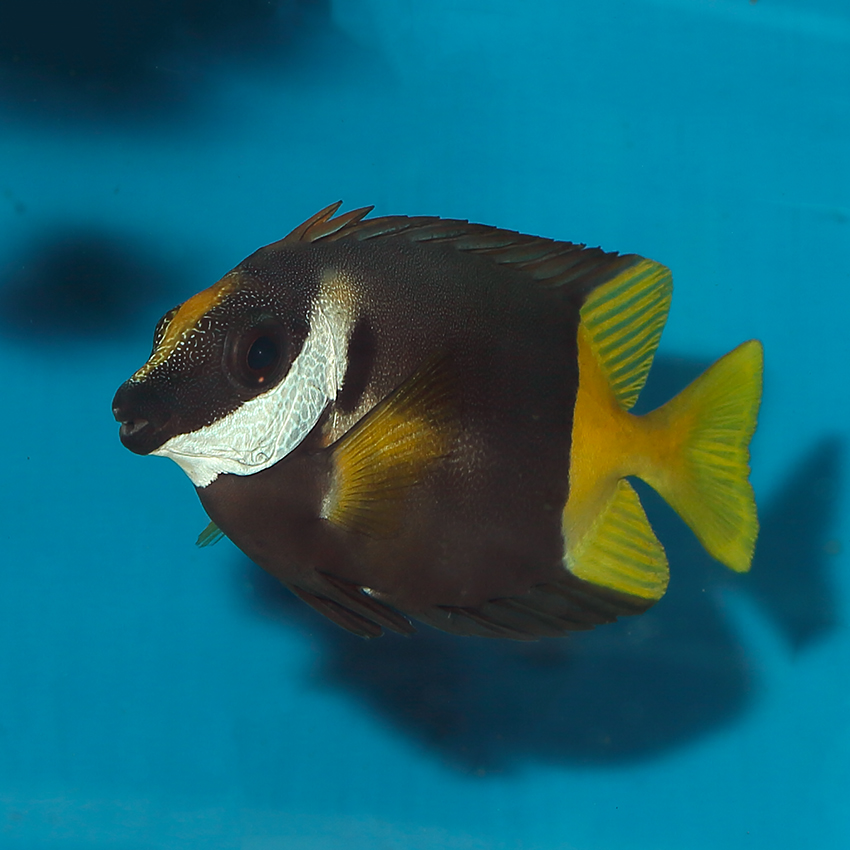
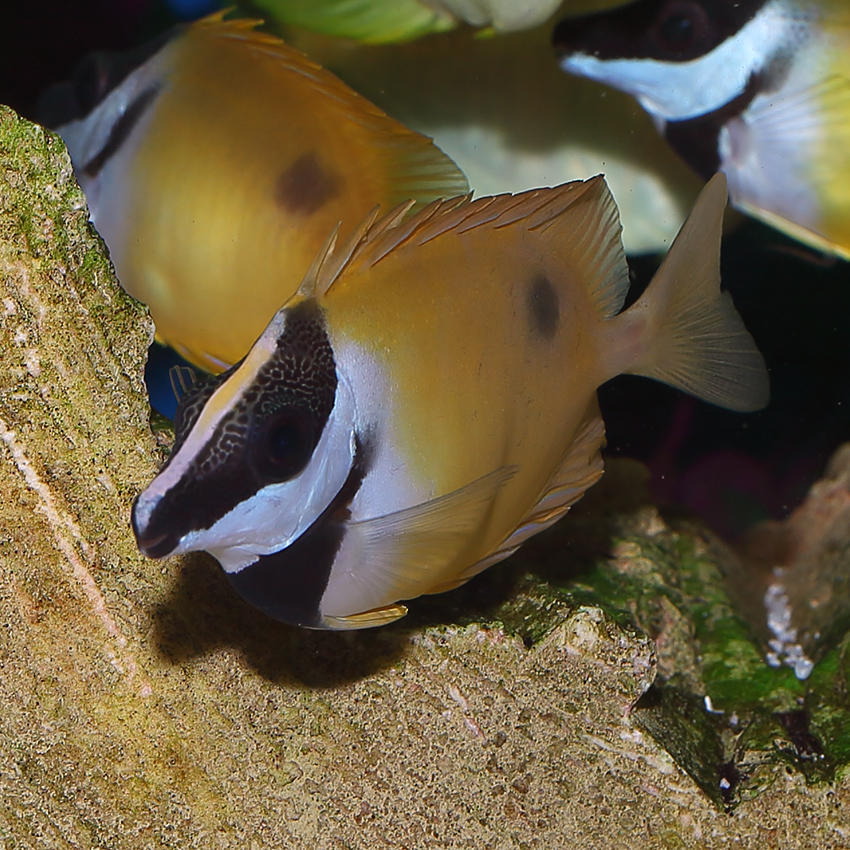
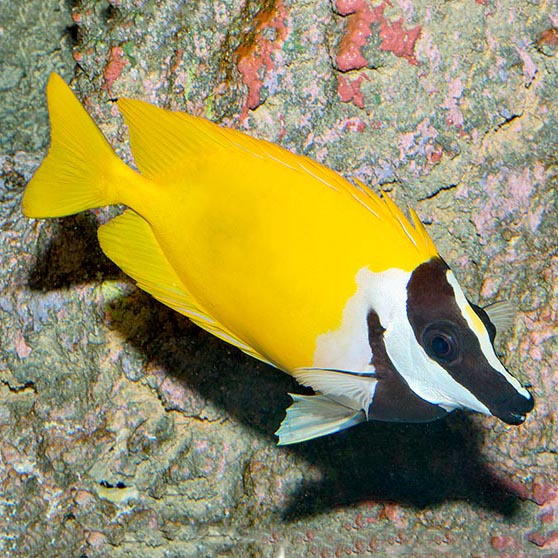
The Fiji Bicolour Fox Face (Siganus uspi) can reach a maximum size of around 6 inches (15 cm). It has a compressed body and a pointed snout. The body is predominantly black, with white markings on the face. Their tails are yellow which contrasts nicely. Taxonomy This fish belongs to the genus Siganus, which is part of the family Siganidae. This family is commonly known as the rabbitfish family. The closest relatives of the Fiji Fox Face include other species within the Siganus genus, such as Siganus corallinus and Siganus puellus. The etymology of the species name “uspi” is not readily available. Natural Habitat The natural habitat of the Fiji Bicolour Fox Face consists of coral reefs and rocky areas with abundant algae growth. It prefers areas with moderate water movement and plenty of hiding places among the rocks and coral structures. These habitats provide the necessary food sources and shelter for the fish. Keeping Fiji Bicolour Fox Face Healthy The Fiji Bicolour Fox Face requires a well-maintained aquarium with stable water parameters. It is important to provide a tank with plenty of rock and hiding spots to mimic its natural habitat. The care level for this fish is considered moderate, as it requires a diligent approach to water quality and diet. Special Requirements and Feeding The Fiji Bicolour Fox Face is primarily herbivorous and feeds on various types of marine algae. A varied diet consisting of high-quality algae-based foods, such as seaweed sheets or pellets, should be provided. It is also beneficial to include occasional feedings of frozen or live foods, such as brine shrimp or mysis shrimp, to supplement its nutritional needs. How Many Should I Keep? It is generally recommended to keep the Fiji Bicolour Fox Face as a single specimen or in small groups, preferably in larger aquariums with ample swimming space. When kept in groups, it is essential to monitor their behaviour and ensure that aggression does not occur. Lighting Preference The Fiji Bicolour Fox Face benefits from moderate to high lighting in the aquarium, as it aids in the growth of algae, which is a vital part of its diet. Suitable Tank Mates The Fiji Bicolour Fox Face can be compatible with a variety of tank mates, including other peaceful fish species that are not aggressive or territorial. However, caution should be exercised when selecting tank mates, as these fish may nip at the fins of slower-moving or long-finned fish. Reproduction in the Wild The reproduction of the Fiji Bicolour Fox Face (Siganus uspi) in the wild follows a typical pattern for rabbitfish species. These fish are oviparous, meaning they reproduce by laying eggs. Reproduction is triggered by environmental cues such as changes in water temperature and availability of food. Breeding Siganus uspi Set Up: To breed Fiji Bicolour Fox Face in captivity, a well-maintained aquarium with appropriate water parameters and plenty of hiding places should be provided. The water temperature should be maintained around 78-82°F (25-28°C). Courtship/Spawning: During courtship, the male Fiji Bicolour Fox Face displays vibrant colours and engages in chasing behaviour towards the female. Spawning occurs when the female releases a cloud of eggs, which are then fertilized by the male. Rearing: After spawning, the fertilized eggs will float freely in the water column. The eggs hatch within a day or two, and the larvae begin their journey as planktonic organisms. Rearing the larvae is a challenging task that requires specialized equipment and expertise. Sexual Dimorphism There is limited information available regarding sexual dimorphism in the Fiji Bicolour Fox Face. In general, rabbitfish species do not exhibit significant differences in appearance between males and females. Distribution Siganus uspi are naturally found in the waters surrounding Fiji, hence its common name. It is important to note that the Fiji Bicolour Fox Face is not a captive bred or line bred strain; it originates from the wild population in Fiji. Receiving Bicolour Fox Face via specialist licensed livestock courier. When it comes to showing distress, some fish don’t let on, while others wear their heart on their sleeves. The Bicolour Fox Face, is one of those more dramatic fish. Here at the Abyss, we pride ourselves on our reputation for providing healthy livestock, that are well accustomed to life in the home aquarium. We have a very rigorous process for preparing our livestock for sale and a thorough packing process to help ensure our customers receive fish to be proud of. When it comes to shipping out, no expense is spared to ensure the safety and comfort of our stock while they are on the way to you. Even so, It is important to remember that, being brought home the same day from your local fish store, is a very different experience from being sealed in complete and true darkness and travelling overnight. For example, the simple action of lifting your new pet into a lit environment, from the pitch black can be a shock to them. Remember, they don’t have eye lids to shield themselves. As a result, it is entirely likely you may see some species demonstrate odd behaviour or strange patterns. These are all natural behaviours for this fish. Either by being basic responses (ie, breathing faster due to increased heart rate), or an adaptation to help aid survival in the wild (ie, colour change to help camouflage, showing off defensive attributes by way of warning). There are some people that may find this alarming. Especially if new to receiving fish via a specialized licensed courier service, or are new to Fox Faces, so below are somethings you may encounter on delivery. If you see your Fox Face: Heavy breathing, Dorsal spines erected, lying on its side, lying on the side with tail curled, displaying darker colours, displaying a mottled, or striped pattern, Do not panic! Follow the instructions in the guarantee provided. Get in touch if you are concerned. If you give your Bicolour Fox Face the space it needs to settle in and adjust, It will be back to its normal self soon. Summary The Fiji Bicolour Fox Face (Siganus uspi) is a captivating fish with its vibrant yellow and black colouration. It requires a moderate level of care and attention to maintain its health in an aquarium setting. The fish primarily feeds on marine algae and benefits from a varied diet that includes algae-based foods and occasional live or frozen foods. When kept in an aquarium, caution should be exercised when selecting tank mates to avoid aggression or fin-nipping. In the wild, these fish reproduce by laying eggs, and breeding in captivity requires appropriate tank setup and careful attention to courtship, spawning, and rearing processes. The species is naturally distributed in the waters around Fiji and is not a captive bred strain.
Butterfly, Banner & Rabbit Fish