$31.54
$40.06
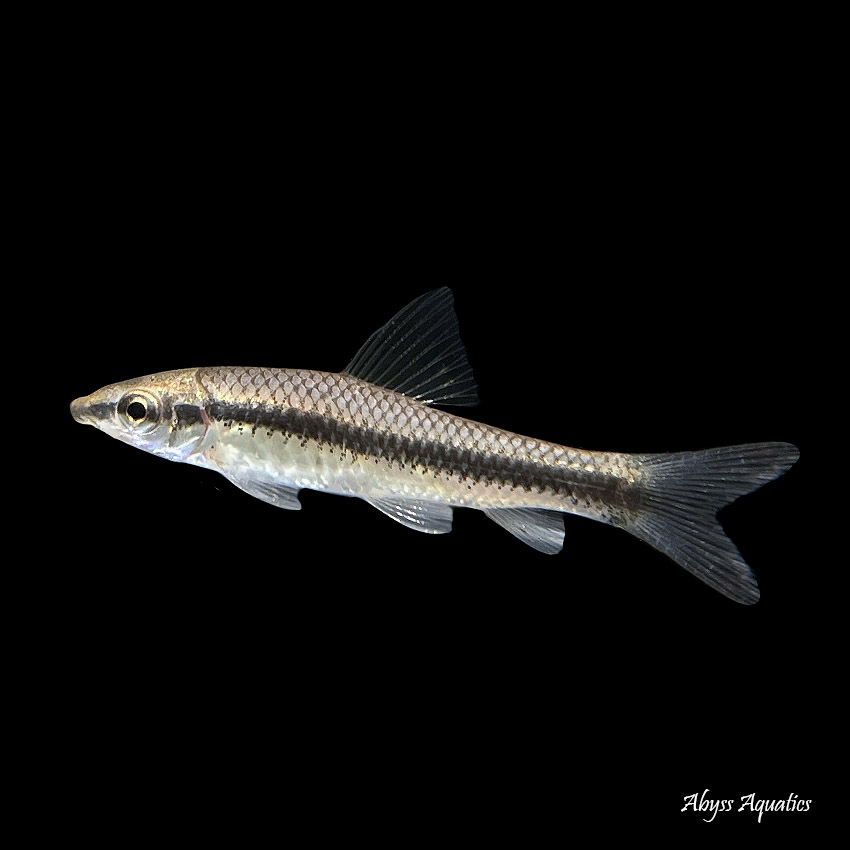
The Siamese Algae Eater is a sleek and slender fish that has an elongated body shape. They have a dark, almost black, horizontal stripe that runs from the tip of their nose to the base of their tail, which helps to distinguish them from other algae-eating fish. Their dorsal fin is located towards the rear of their body and is adorned with a series of sharp spines. The rest of their fins are relatively small, and they have a pair of barbels on their mouth that help them to navigate and locate food in their natural habitat. The Siamese Algae Eater can reach a maximum size of around 6 inches (15 cm) in the wild, although they typically do not get as large in captivity. In aquariums, they typically reach a maximum size of around 4 inches (10 cm) Their body is relatively slender, and they have a somewhat flattened appearance, which helps them to navigate through dense vegetation and rocky areas in their natural habitat. Overall, they are a sleek and agile fish that is built for swimming and manoeuvring in fast-moving water. Their coloration can vary slightly depending on their age and habitat, but they typically have a dark grey or black coloration on their body, which is complemented by their striking horizontal stripe. Their scales have a somewhat iridescent sheen to them, which can create a shimmering effect as they move through the water. Overall, the Siamese Algae Eater is a visually striking and unique-looking fish that is sure to be a standout in any aquarium. Siamese Algae Eaters are generally peaceful fish and can be kept with a variety of other non-aggressive species. They may become territorial towards other bottom-dwelling fish, so it’s best to avoid keeping them with other suckermouth catfish. Natural Habitat From a Siamese Algae Eater’s viewpoint, their natural habitat would typically consist of clear, flowing streams or rivers with rocky substrates and plenty of vegetation. The water would be well-oxygenated and have a moderate to strong current. The surrounding areas would have an abundance of plants, rocks, and fallen branches which offer hiding places and shelter from strong currents. In these natural habitats, Siamese Algae Eaters would typically forage for food along the rocky substrate, grazing on algae and other plant matter. They would also feed on small invertebrates and insect larvae found among the vegetation. The fish would be found in groups, often swimming in midwater, but frequently moving to the bottom to feed or rest. Overall, the natural habitat of Siamese Algae Eaters is a dynamic environment with plenty of natural features and resources, such as rocks, gravel, plants, and water current, that enable the fish to thrive. These natural elements are important to recreate in an aquarium setting to ensure the Siamese Algae Eaters are healthy and comfortable. Keeping Siamese Algae Eaters Healthy Siamese Algae Eaters are relatively hardy fish, but they do require specific conditions to thrive in an aquarium. They prefer water with a pH range of 6.5 to 7.5 and a temperature between 75°F and 79°F (24°C to 26°C). They also need plenty of hiding spots and live plants to graze on, as well as regular water changes to keep their environment clean. Special Requirements and Feeding Siamese Algae Eaters are primarily herbivores, and their diet should consist mainly of plant matter. They are known for their ability to consume large amounts of algae, but they also enjoy blanched vegetables, sinking algae wafers, and small amounts of high-quality flake or pellet food. It’s important to avoid overfeeding them, as this can lead to health problems and algae blooms. How Many Should I Keep? Siamese Algae Eaters are social fish and do best in groups of at least 3 or 4 individuals. Keeping them in larger groups can also help reduce aggression towards other fish and provide a more natural environment. Lighting Preference Siamese Algae Eaters do not have any specific lighting requirements, but they prefer a well-lit aquarium that mimics their natural environment. A moderate to high level of lighting is ideal for growing live plants, which provide them with a natural food source. Suitable Tank Mates Siamese Algae Eaters are generally peaceful fish and can be kept with a variety of other non-aggressive species. They may become territorial towards other bottom-dwelling fish, so it’s best to avoid keeping them with other suckermouth catfish. Breeding Siamese Algae Eaters Breeding Siamese Algae Eaters (Crossocheilus siamensis) can be a challenging task as they have specific requirements for successful reproduction. It is important to note that breeding Siamese Algae Eaters in a home aquarium setting can be quite difficult, and most of the Siamese Algae Eaters available in the market are wild-caught rather than bred in captivity. Siamese Algae Eaters are known to be egg scatterers, meaning they do not provide any parental care for their eggs or fry. To encourage breeding, it is recommended to set up a spacious and well-maintained aquarium with suitable conditions. Water parameters: Maintain a temperature range between 75-82°F (24-28°C) and a pH level between 6.5-7.5. It is important to provide clean and well-oxygenated water. Tank setup: Create a suitable environment by including plenty of plants, rocks, and driftwood. These elements mimic their natural habitat and provide hiding places for the fish. Pairing: It can be challenging to determine the sex of Siamese Algae Eaters. However, it is believed that they may exhibit slight sexual dimorphism, with males being slightly slimmer and smaller than females. It is recommended to keep a group of Siamese Algae Eaters together and allow them to form pairs naturally. Feeding: Provide a balanced diet consisting of high-quality flake foods, pellets, and live/frozen foods. A varied diet helps to ensure the fish are in optimal condition for breeding. Spawning behaviour: Siamese Algae Eaters typically spawn during the early morning hours. The male initiates courtship by chasing the female and engaging in nipping behaviour. Once the female is ready to release her eggs, the male will follow closely, fertilizing them as they are released. Egg collection: If you are attempting to breed Siamese Algae Eaters, it may be necessary to provide a separate breeding tank or remove the eggs from the main aquarium. This protects the eggs from being eaten by other tank inhabitants. Egg care: Transfer the eggs to a separate container with similar water conditions. Provide gentle aeration and ensure the water quality remains stable. The eggs will typically hatch within 24-48 hours, depending on the water temperature. Fry care: Once the eggs hatch, the fry will initially feed on their yolk sacs. Afterward, you can offer them infusoria, newly hatched brine shrimp, or powdered fry food. Ensure the fry have appropriate hiding places and maintain good water quality. Breeding Siamese Algae Eaters can be a complex process and may require specific conditions and expertise. It is recommended for experienced aquarists who are dedicated to providing the necessary care and conditions for successful breeding. Siamese Algae Eaters have a lifespan of around 8 years in captivity when provided with proper care. Sexual Dimorphism Male and female Siamese Algae Eaters look very similar, and it’s difficult to tell them apart without observing their behaviour during spawning. Lifespan Siamese Algae Eaters have a lifespan of around 8 years in captivity when provided with proper care. Distribution Siamese Algae Eaters are native to Southeast Asia, including Thailand, Indonesia, and Malaysia. They are also widely available in the aquarium trade as captive-bred or line-bred strains. However, the original fish comes from the wild, and it’s important to ensure that captive-bred fish are obtained from reputable sources to avoid harming wild populations. Summary Overall, the Siamese Algae Eater is a peaceful and hardy fish that requires specific conditions to thrive in an aquarium. They are primarily herbivores and enjoy grazing on plant matter such as algae and other vegetation. In addition, they require a lot of swimming space, hiding spots, and clean water to remain healthy. Proper care and maintenance of the tank is essential for their well-being. While they are not difficult to keep, they can be sensitive to water conditions and fluctuations in water parameters. It’s important to keep up with regular water changes and monitor the tank’s temperature, pH, and other factors to ensure their health. Siamese Algae Eaters also have special requirements when it comes to feeding. They need a balanced diet that includes a mix of algae-based foods and protein-rich supplements. It’s important to provide a variety of food to ensure they get the nutrients they need. When it comes to tank mates, Siamese Algae Eaters can be kept with other peaceful community fish that are similar in size and temperament. They may become aggressive towards other bottom-dwelling fish or those with long, flowing fins. Overall, Siamese Algae Eaters can be a rewarding addition to an aquarium with the proper care and attention. By providing a suitable environment, feeding them a balanced diet, and keeping up with regular maintenance, they can thrive and live for up to 10 years.
Tropical Livestock