Spiny Pufferfish - antennatus
$15.18
$21.56
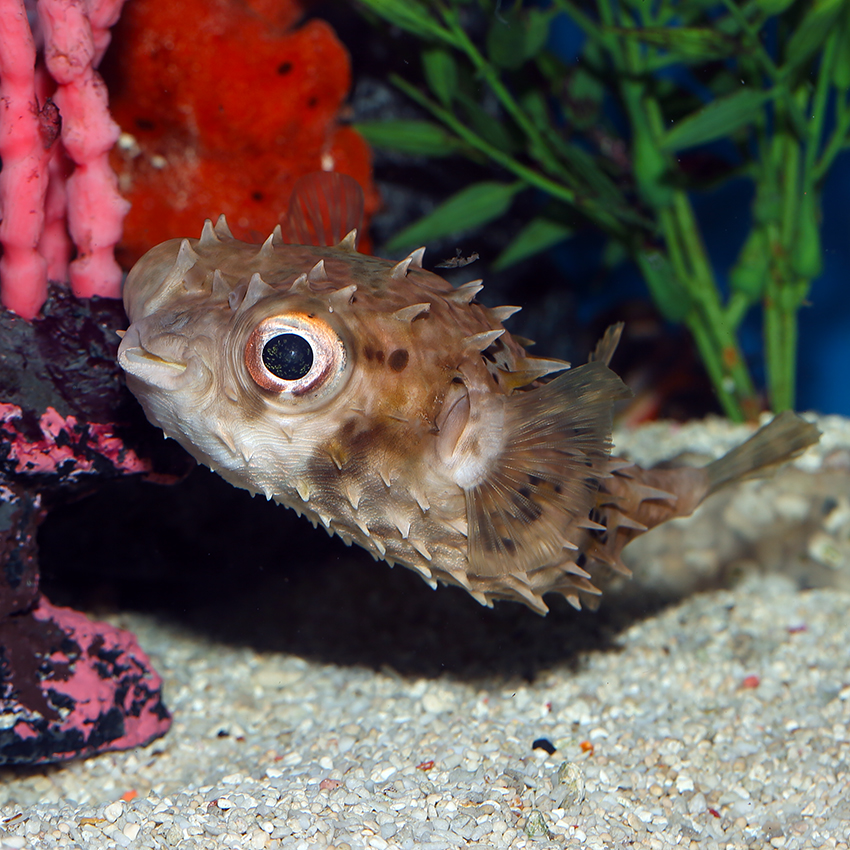
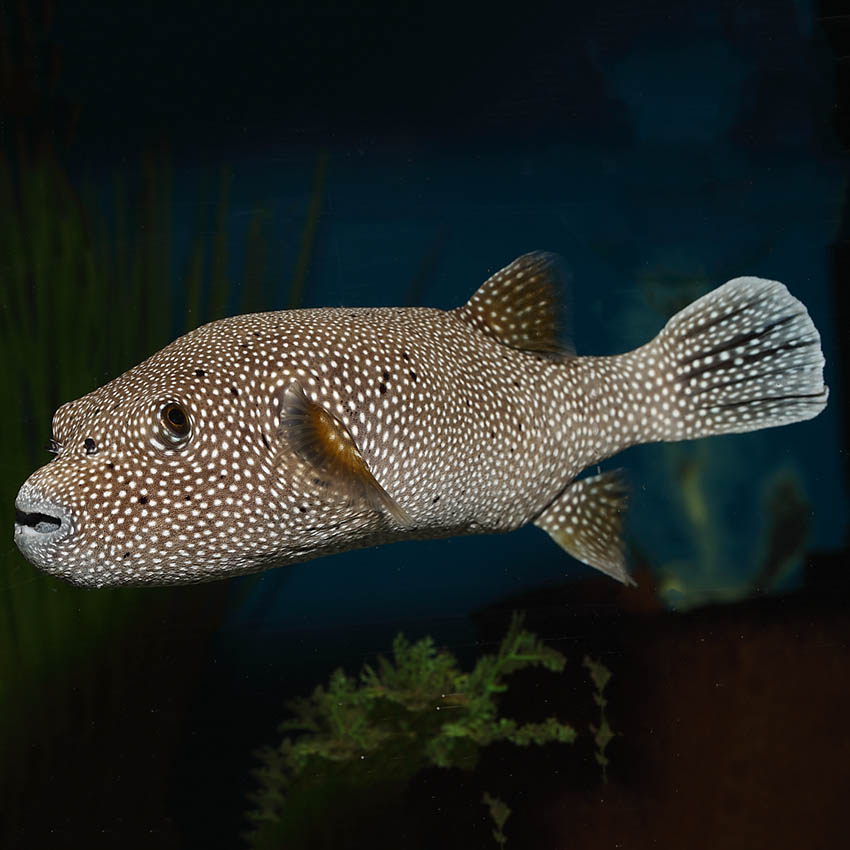
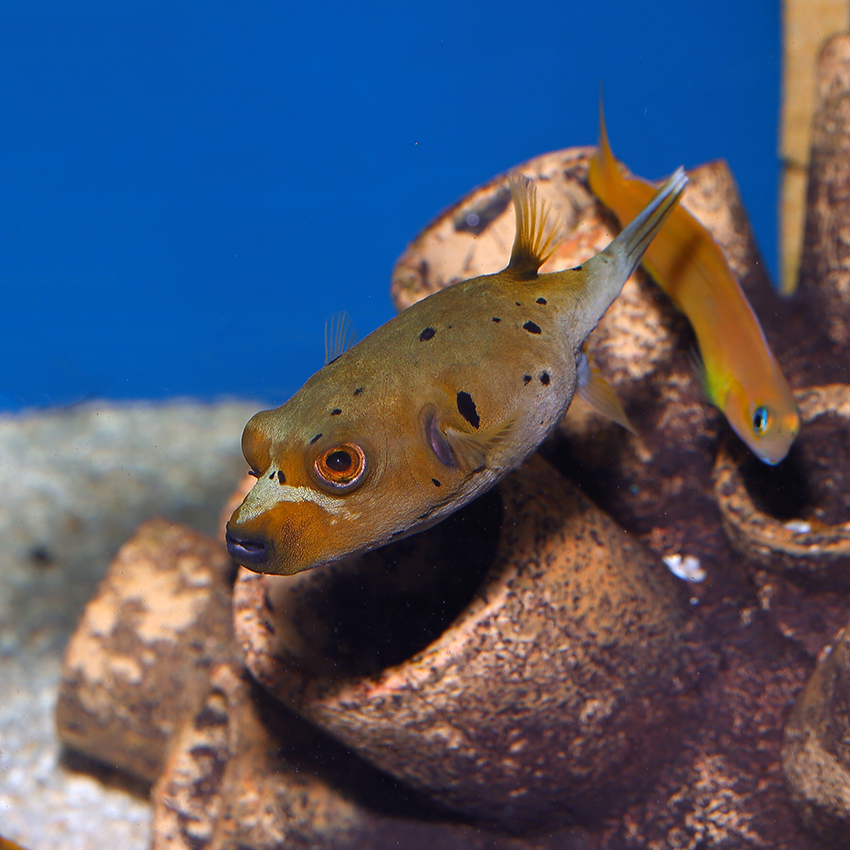
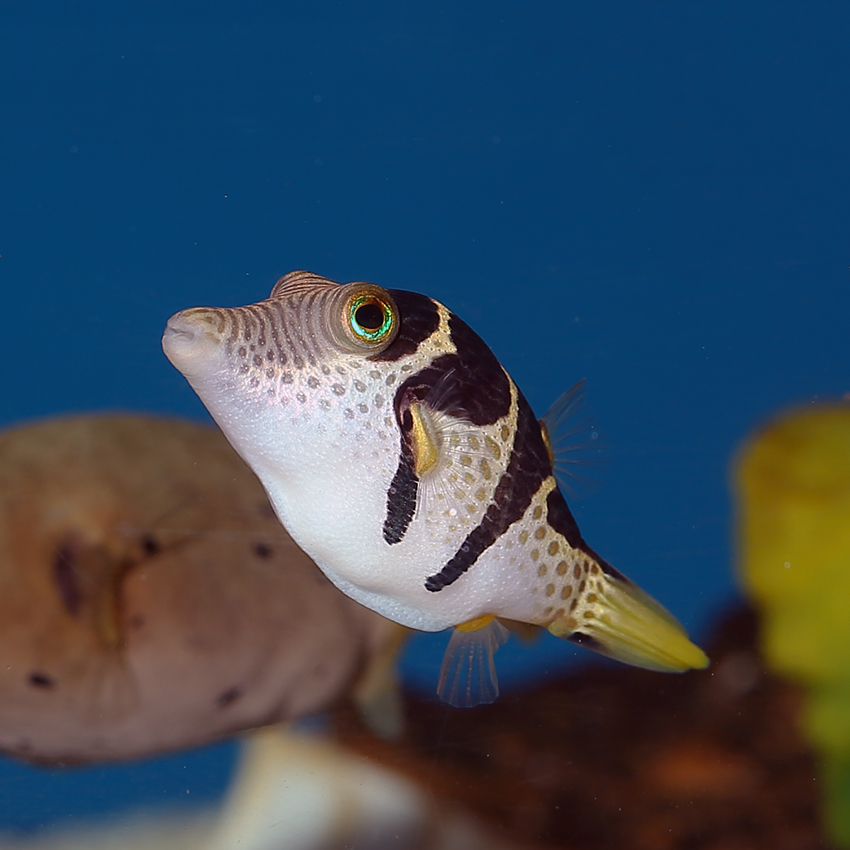
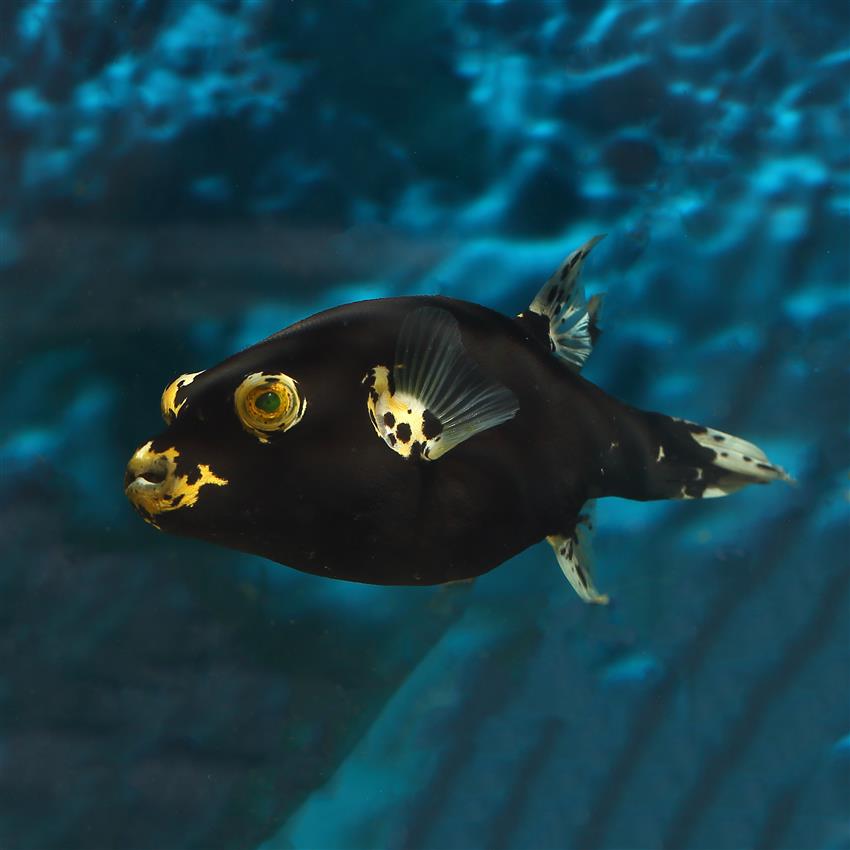
The Spiny Pufferfish, scientifically known as Chilomycterus antennatus, is sometimes referred to as the Bridled Burrfish. This is a unique-looking fish with a maximum size of around 38cm. It has a stocky body covered in small, spiky spines. When threatened or stressed, it can inflate its body, making the spines stand erect. Taxonomy: The Spiny Pufferfish belongs to the family Diodontidae, which includes other species of pufferfish. Its closest relatives are the other members of the Diodon genus. The genus name, Diodon, is derived from the Greek words “di” meaning “two” and “odon” meaning “tooth,” referring to the two large teeth at the front of its mouth. Natural Habitat: In its natural habitat, the Spiny Pufferfish is typically found in coral reefs and sea grass beds. It prefers shallow waters with plenty of hiding spots such as caves, crevices, and coral formations. These habitats provide protection and camouflage for the pufferfish. Keeping the Spiny Pufferfish Healthy: The Spiny Pufferfish antennatus, has a moderate care level and can be somewhat challenging to keep. It requires a spacious aquarium with excellent water quality and proper filtration. A well-established tank with live rock and hiding places is beneficial. Regular monitoring of water parameters, temperature, and salinity is necessary to maintain optimal conditions. Special Requirements and Feeding: Spiny Pufferfish have powerful jaws and teeth designed for cracking open the shells of their prey. They require a diet that includes hard-shelled crustaceans, mollusks, and other meaty foods. Their diet should also include a variety of frozen or live foods such as shrimp, squid, and clams. Care should be taken to ensure that their diet includes foods that help maintain healthy teeth growth. How Many Should I Keep: Spiny Pufferfish are best kept singly or in mated pairs due to their territorial nature. They can become aggressive towards other puffers or similar-looking fish. Natural Defence: The Spiny Pufferfish, (Chilomycterus antennatus) has a unique natural defence mechanism. When threatened, it can inflate its body by ingesting water, making it appear larger and more intimidating to potential predators. Additionally, its spines provide protection against predators. Lighting Preference: The Spiny Pufferfish does well under standard aquarium lighting conditions. Providing appropriate lighting can enhance the visibility of their colours and patterns. Suitable Tank Mates: Due to their territorial nature and potential aggression towards other fish, Spiny Pufferfish are best kept in a species-specific tank. It is generally not recommended to keep them with small, delicate, or slow-moving fish, as they may perceive them as prey. The Spiny Pufferfish, or Chilomycterus antennatus, is a fascinating fish with a distinctive appearance and unique defence mechanisms. It requires proper care, a suitable diet, and a well-maintained aquarium to thrive. By providing the necessary conditions and understanding its natural behaviours, you can enjoy the captivating presence of the spiny puffer in your aquarium. Reproduction in the Wild: Spiny Puffers reproduce through external fertilization, where the female releases eggs and the male releases sperm into the water column. This process usually occurs during the warmer months when the water temperature is optimal for successful reproduction. Once the eggs are fertilized, they become buoyant and float in the water. Distribution: The Spiny Puffer, Chilomycterus antennatus, is naturally distributed in tropical and subtropical waters of the Atlantic Ocean, including southeastern Florida, USA and the Bahamas to northern South America. They can also be found in the Eastern Atlantic, off Mauritania. Summary: The Spiny Pufferfish (Chilomycterus antennatus) or Bridled Burrfish, is a unique and captivating fish species known for its distinctive appearance and defensive capabilities. They require careful attention to their care needs, including a proper diet and suitable tank setup. Understanding their natural behaviours and providing appropriate conditions can help enthusiasts appreciate the remarkable characteristics of this fascinating fish.
Pufferfish, Grunts, Hogfish & Tusks