Brown Banded Bamboo Shark Male
$19.38
$36.63
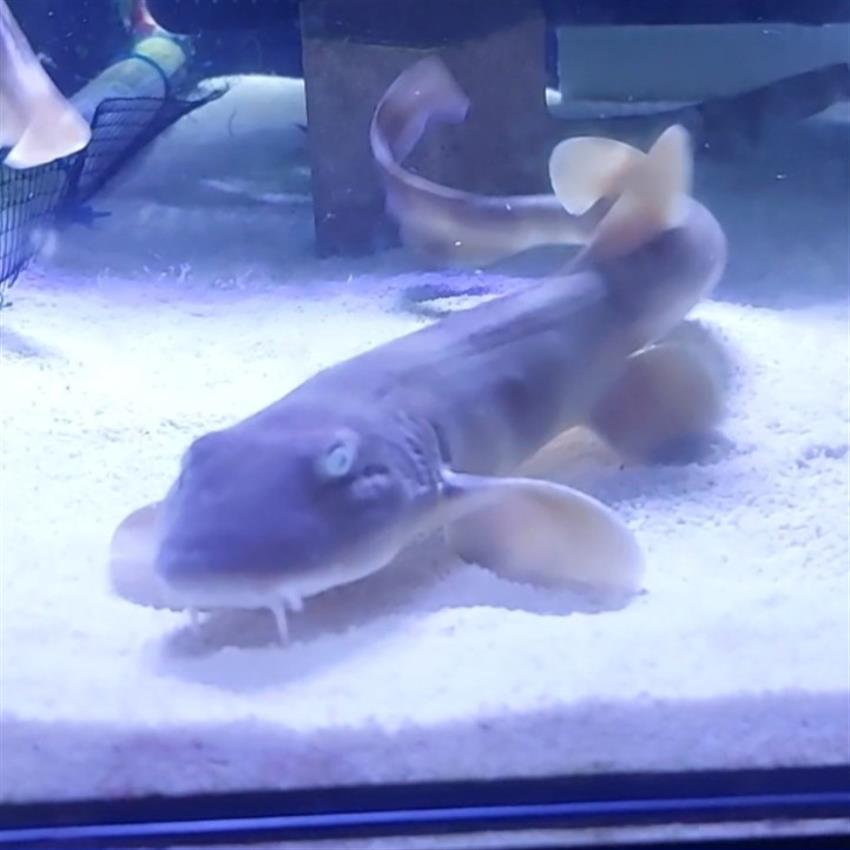
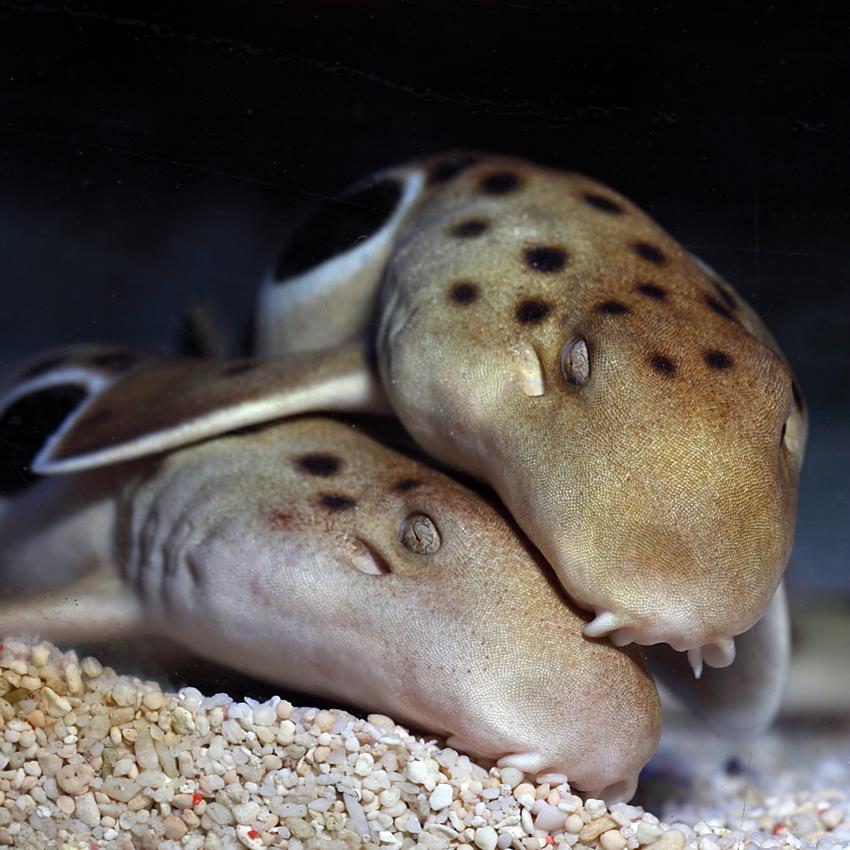
The Brown Banded Bamboo Shark Male, is a catshark scientifically known as Chiloscyllium punctatum. They are sometimes known as Grey carpet sharks. These fascinating predators boast a distinctive appearance, characterized by a slender body, small eyes, and a bluntly rounded snout. This species typically reaches a maximum size of around 37 to 50 inches (94 to 127 centimetres) in length, making it a relatively small shark in comparison to other species. Taxonomy and Identifying Features Belonging to the family Hemiscylliidae, Brown Banded Bamboo Shark are part of the order Orectolobiformes. This family consists of slender-bodied sharks with elongated tails and two dorsal fins of nearly equal size. The genus Chiloscyllium encompasses several shark species sharing similar features, such as the presence of barbels or sensory organs near their nostrils. Their closest relatives within the family include other genera like Hemiscyllium and Hemiscylliidae. The name “Chiloscyllium” is derived from the Greek words “cheilos” (meaning lip) and “skylla” (referring to a sea monster), possibly in reference to their unique mouth structure. Natural Habitat Brown Banded Bamboo Shark sharks primarily inhabit shallow tropical and subtropical waters, favouring areas like coral reefs, sandy flats, and rocky bottoms. Their habitat often includes environments with hiding spots among rocks, crevices, and vegetation. These sharks are nocturnal, spending their days resting on the ocean floor and actively foraging for food at night. Keeping Brown Banded Bamboo Sharks Healthy: Bamboo sharks are relatively hardy and adaptable, making them suitable for intermediate-level aquarists. Maintaining stable water parameters—temperature between 75°F to 82°F (24°C to 28°C) and pH levels around 8.1 to 8.4—is crucial. Regular water changes and adequate filtration are necessary to ensure optimal health. Special Requirements and Feeding: Brown Banded Bamboo sharks possess electroreceptors known as the ampullae of Lorenzini, allowing them to detect electrical signals produced by prey. These specialized organs aid in hunting by detecting subtle movements and electrical impulses of potential prey hidden in the sand or rocky crevices. Their diet typically consists of small fish, crustaceans, and mollusks. How Many Should I Keep? When housing Brown Banded Bamboo sharks in captivity, it’s essential to consider tank size and compatibility. A single bamboo shark typically requires a tank of at least 180 gallons (680 litres) to thrive. It’s advisable to keep them individually to prevent aggression. Lighting Preference Brown Banded Bamboo sharks don’t have specific lighting requirements. However, providing a natural day-night cycle with a moderate lighting setup can be beneficial for their overall well-being. Suitable Tank Mates Tank mates that won’t be seen as prey, such as larger fish, can cohabit with bamboo sharks. Avoid housing them with species that may harass or outcompete them for food. call us for advice. Reproduction in the Wild In the wild, Brown Banded Bamboo sharks reproduce via oviparity, laying eggs rather than giving live birth. Females deposit elongated egg cases, known as mermaid’s purses or egg capsules, onto the ocean floor. These egg cases have tendrils that anchor them to rocks or vegetation, providing protection for the developing embryos. Breeding Chiloscyllium punctatum: Set-up: Breeding Brown Banded Bamboo sharks in captivity requires a spacious tank with suitable hiding spots and a sandy substrate. A tank of at least 180 gallons (680 litres) is recommended to mimic their natural habitat. Courtship/Spawning: Courtship behaviour in bamboo sharks involves the male pursuing the female, often accompanied by nipping or biting. Sharks reproduce via internal fertilisation so a pair will intertwine. Successful mating results in the female laying egg cases after a gestation period of several weeks to months. Rearing: To rear bamboo shark pups, it’s essential to carefully monitor water quality and provide appropriate nutrition. After an incubation period ranging from several weeks, depending on conditions, the young sharks will hatch from their egg cases. Sexual Dimorphism Males and females look alike. Males can be identified by the possession of claspers. These sharks are too young to sex however. Distribution: Chiloscyllium punctatum, or the Brown Banded Bamboo shark, originates from the shallow coastal waters of the Indo-Pacific region. They are commonly found in areas including the Indian Ocean, ranging from the Red Sea and East Africa to Japan and northern Australia. Summary: Chiloscyllium punctatum, the Brown Banded Bamboo shark, is a fascinating species known for its slender body, small eyes, and rounded snout. These sharks typically reach lengths of 37 to 50 inches (94 to 127 centimetres) and reproduce through oviparity, laying elongated egg cases onto the ocean floor. In captivity, successful breeding requires appropriate tank setups, courtship behaviours resulting in egg laying, and careful rearing of the hatchlings. Despite minimal sexual dimorphism, these sharks exhibit intriguing reproductive behaviour and are native to the coastal waters of the Indo-Pacific region.
Miscellaneous Saltwater Fish