
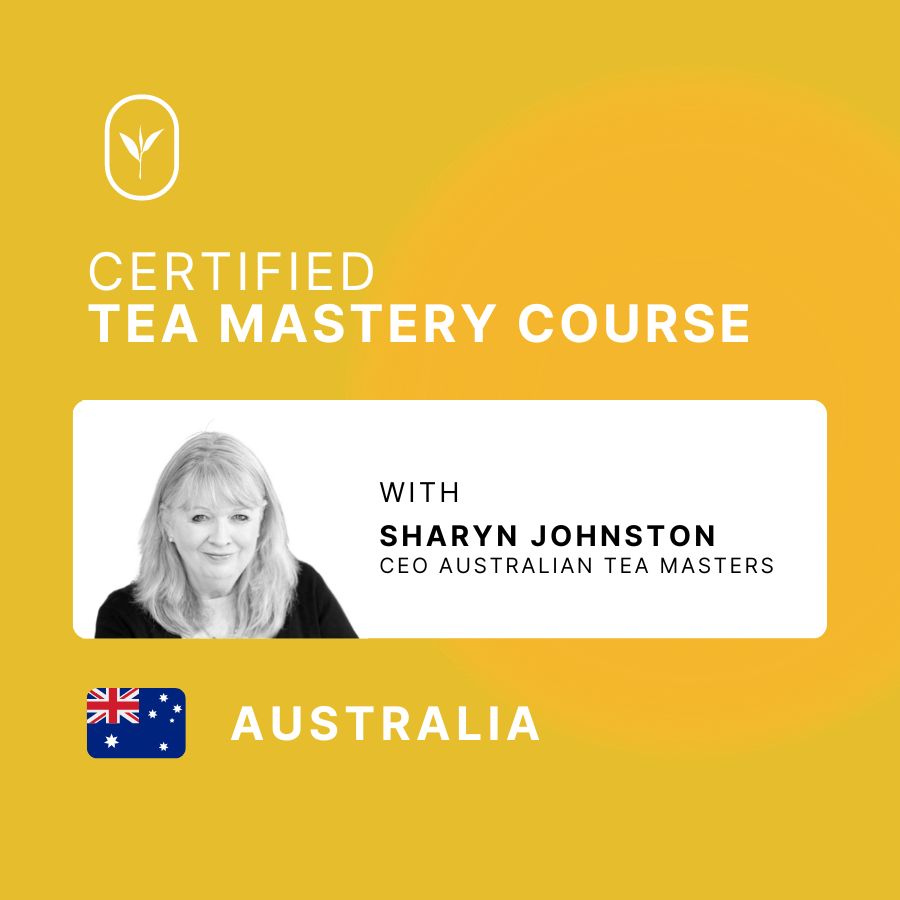
Certified Tea Mastery Course | AUSTRALIA
$ 91.20
Curriculum – Subsequent Online Classes (14 Weeks)After the conclusion of the in-person training period, we will begin our 14 week intensive, where we take an in-depth dive into the world of tea. Each week you will be required to attend one online class and complete weekly homework and tasks, which we will review during our sessions. Week 1 – Japanese Tea, Part 1Weekly ContentWeek 1 provides students with a comprehensive introduction to Japanese tea, beginning with its history. We then explore the differences between Japanese teas and Chinese teas, and learn about modern processing methods utilised for different Japanese tea types.Learning ObjectivesDescribe the history of Japanese tea.Explain the differences between Japanese and Chinese tea.Identify the key processing methods for various important Japanese teas.Tea EvaluationsTeaTypeOriginGenmaicha���� Blended Green���� JapanGyokuro�� Green���� JapanHōjicha�� Roasted Green���� Japan Week 2 – Japanese Tea, Part 2Weekly ContentContinuing on from Week 1’s introduction to Japanese tea, we will now learn about the differences between Shincha and Sencha, tea cultivation in Japan, the Yabukita cultivar, and the kyuusu teapot.Further, we discover Chado, or “The Way of Tea”, a type of artisan tea ceremony that forms a crucial part of Japanese tea culture. An explanation of matcha and the various utensils involved in brewing it is provided.Learning ObjectivesIdentify sencha, shincha, kyuusu teapots, and individual matcha utensils.Understand the main sencha processing methods.Explain various aspects of Japanese tea cultivation, including growing regions, cultivation methods, and the Yabukita cultivar.Understand and explain the main tenants of Chado.Tea EvaluationsTea TypeOriginSencha �� Green���� JapanMatcha �� Powdered Green���� Japan Week 3 – Korean Tea and Plucking MethodsWeekly ContentIn Week 3 we introduce one of our favourite tea producing countries, Korea. We start with an introduction to artisan tea cultivation in Korea and how it differs from plucking tea in Japan and China, and explore the concept of Chung Cha, a type of fermented dark tea similar to Yunnan Puerh.We finish by taking a closer look at Camellia Sinensis var. Sinensis, the Chinese tea plant cultivated widely throughout Southeast Asia.Learning ObjectivesExplain a variety of information about the history, characteristics, and culture surrounding Korean tea.Identify the differences in tea plucking between Korea, Japan, and China.Identify Camellia Sinensis var. Sinensis, and explain what makes the varietal unique and desirable to grow.Tea EvaluationsTea TypeOriginJaksul �� Green���� KoreaHōjicha �� Roasted Green���� JapanHuang Shan Mao Feng �� Green���� China Week 4 – Chinese TeaWeekly ContentIn Week 4, we begin our deep dive into Chinese tea. We explore some of China’s most prominent tea types – white tea, black tea, and green tea – and their main production areas, as well as provide an exploration of the different provinces and their unique teas. In particular, we look at modern China’s most prominent tea areas – Zhejiang, Anhui, Jiangsu, Fujian, Guangdong, and Yunnan. We conclude with an explanation of Yunnan Province’s relationship with their unique tea type, Puerh.Learning ObjectivesIdentify the main production areas for white, black, and green tea.Describe the most important tea provinces in China.Identify the teas grown in each of these provinces.Explain Puerh’s relationship with Yunnan Province.Tea EvaluationsTea TypeOriginCamellia Bud ⚪ White���� ChinaAnji Bai Cha �� Green���� ChinaGolden Bud ⚫ Black���� ChinaPuerh �� Puerh���� China Week 5 – Yellow TeaWeekly ContentIn Week 5 we discover a rare and unique artisan tea type that nearly became extinct – yellow tea. We begin by learning what yellow tea is, as well as the unique processing required in order to produce it. We also detail the different areas and conditions under which yellow tea is grown throughout China in modern times.Learning ObjectivesIdentify the main traits of yellow tea.Explain the unique processing method used to produce yellow tea.Identify important yellow teas and their growing areas.Tea EvaluationsTea TypeOriginHuoshan Huangya �� Yellow���� ChinaKeemun ⚫ Black���� ChinaLongjing �� Green���� China Week 6 – Oolong Tea | Project 1Weekly ContentHere we enter the wide and wonderful world of oolong specialty tea. We begin with an investigation into the history of oolongs, and continue with a variety of detailed topics, including where oolong tea is grown, the various processing methods and types of oolong, and their flavour profiles and characteristics.We also begin investigating tea and food pairings in this week, starting with oolong-based pairings. You will learn basic pairing principles and get an opportunity to create your own pairings to practice your skills.Project 1Week 6 includes your first big project – a presentation on all you can learn about oolong tea. You will be sent the details of this assignment 1-2 weeks before the due date and will be given the opportunity to present your findings to the class. We look forward to seeing all of your wonderful presentations! Learning ObjectivesExplain the various historical accounts of the origins of oolong tea.Explain the differences between different types of oolongs.Identify roasted and unroasted oolongs.Identify the differences between different processing methods used between oolongs.Create modern tea and food pairings with oolong tea based on tea and food pairing principles.Tea EvaluationsTea TypeOriginWenshan Pouchong �� Oolong���� TaiwanWhite Dragon �� Oolong���� Taiwan Week 7 – Break Period Please enjoy a well-earned rest from class this week! Week 8 – Indian TeaWeekly ContentIn Week 8 we focus heavily on Indian tea production, starting with understanding a fundamental concept – black tea grading. This style of black tea grading is used heavily throughout the Indian subcontinent and will aid you in your exploration of Indian tea.Of particular interest this week are the main tea growing regions in India, the history of tea within the country, and how Indian tea is produced. We also take a look at the Indian tea plant and how it differs from the Chinese tea plant, and investigate the meaning of “flush” in terms of tea production.Learning ObjectivesUnderstand the meaning of different black tea grades.Explain the differences between the Chinese and Indian tea plants.List the most important tea growing regions in India.Explain the history of tea in India.Explain how Indian tea is typically produced.Explain the meaning of “flush”.Tea EvaluationsTea TypeOriginDarjeeling ⚫ Black���� IndiaAssam Margherita ⚫ Black���� India Week 9 – Sri Lankan (Ceylon) TeaWeekly ContentOur focus in Week 9 is the home of Ceylon tea, Sri Lanka. Here we explore the varied types of tea Sri Lanka produces and its main growing regions, as well as Sri Lanka-specific specialty tea types and how tea was introduced into the country. Your knowledge of black tea grading learned in the previous week will come into play here, as Sri Lanka utilises this grading system similarly to India.Learning ObjectivesList the types of tea produced in Sri Lanka.Describe Sri Lankan tea growing regions and their terrain.Describe the differences between high grown, medium grown, and low grown.Explain how tea was introduced into Sri Lanka, and why in modern times it became one of the country’s predominant crops.Tea EvaluationsTea TypeOriginSommerset ⚫ Black���� Sri LankaKenilworth ⚫ Black���� Sri LankaSri Lankan Gunpowder ⚫ Black���� Sri Lanka Week 10 – Puerh TeaWeekly ContentIn Week 10 we discover the history and mystery of Puerh. We investigate the origins of puerh specialty tea and its history within Yunnan Province, and explore how fermentation processes make puerh tea different from black tea. We also take a look at the perceived health benefits of puerh, the shapes puerh cakes are made into, Nei Fei labels, and how to brew the best puerh tea possible using the right temperatures, timings, amounts, and utensils. Learning ObjectivesExplain the origin and history of puerh and its connection to Yunnan Province.Describe the differences between puerh tea and dark tea.Describe the common shapes of puerh and the significance of Nei Fei.Describe the perceived health benefits of puerh.Learn how to brew a puerh using the correct timings, temperature, and brewing utensils.Tea EvaluationsTea TypeOriginGrade 1 Puerh �� Puerh���� ChinaPuerh Block �� Puerh���� China Week 11 – ChaiWeekly ContentWeek 11 is Chai Week. During class we will learn the history and origin of chai, as well as the chai making process, traditional ingredients used in chai, and how it is served.We will also be investigating the health benefits of a traditional chai, based on the many herbs and spices that are involved in brewing this healthy and delicious drink. Finally, we will take a look at what types of tea can realistically be used as a chai base, and which ingredients have the potential to make a caffeine-free chai. Learning ObjectivesExplain the history and origin of chai.Explain how to make and serve a chai using traditional ingredients.Identify health benefits based on the ingredients used in chai.Identify the different bases that can be used in chai.Tea EvaluationsTea TypeOriginBangalore Rose Chai �� Chai���� IndiaDragon Chai �� Chai���� IndiaTraditional Chai �� Chai���� IndiaApple and Cinnamon �� Herbal Blend���� Sri Lanka Week 12 – Herbals and TisanesWeekly ContentIn Week 12 we move on to focus on modern herbal tea blends and tisanes. This includes an explanation of the wide variety of ingredients that can be used and their identifying characteristics, as well as what flavours they will introduce when steeped. We focus particularly on the world of German herbal teas, as well as the history of herbal blends in Germany.Week 12 concludes your tea evaluations for the course. Learning ObjectivesIdentify different herbs that can be used as ingredients in herbal teas.Identify popular herbal blends that are popular with consumers.Explain the characteristics of some typical German herbals.Explain the history of herbal blends in Germany.Tea EvaluationsTea TypeOriginGinger Glow �� Herbal Blend��VariousOrganic Detox �� Herbal Blend��VariousAromatherapy in a Cup �� Herbal Blend��VariousChamomile Honey & Orange �� Herbal Blend��Various Week 13 – English Tea Service | Project 2Weekly ContentOur second last week of classes focuses on the English tea service traditions of high tea and afternoon tea. We take a look at typical and popular items that are used as a part of English tea service menus and complimentary artisan teas, as well as the history of these traditions in the UK and beyond. Project 2During this week you will be challenged to create your own high tea menu and present it to the class. This menu will involve a selection of appropriate teas as well as a list of food items for guests to enjoy. We look forward to seeing who can produce the most tempting selection!Learning ObjectivesExplain the history and origins of high and afternoon tea.List popular items for high tea and afternoon tea menus.Plan and produce a tantalising high tea menu, with appropriate foods and compatible teas. Week 14 – Health Benefits | Project 3Weekly ContentWelcome to the final week of content! Week 14 finalises the online instructional section of the course with an investigation into the health benefits and chemical compounds found within tea. In particular, we explore the effects of tea’s catechin, antioxidant, and caffeine contents, as well as the more generic perceived health benefits of tea.Project 3For Week 14 you will be challenged to make your own modern tea-based non-alcoholic drink, and then present it to the class. You will be required to document its ingredients, flavour profile, and method of creation, be it hot or iced, and photograph the result. We look forward to your creations!Learning ObjectivesExplain the generic perceived health benefits of tea.Explain the functions of catechins, antioxidants, and caffeine in detail.Create a delicious and harmonious tea-based drink that can be enjoyed hot or iced. Final ProjectThe ChallengeFor your final project, you will use everything you have learned and your own research skills to conduct a proper tea ceremony of Chinese, Japanese, or Korean origin. You will be required to take a video of your ceremony and submit it as your final project.We encourage you to be both elegant and creative in your service!Where you may be missing certain utensils, you may utilise substitutions from your kitchen, etc. Please do your best to put on the best tea ceremony you can.Once you have completed your final project and handed in any outstanding tea evaluations and homework, you will be given access to the final exam. Final ExamThe ChallengeUpon completion of all homework and assignments, you will be given access to the final exam and your exam instructions. This exam consists of a multiple choice section and a short answer section. Please do your best to answer all questions in the time limit provided.Once you have passed the exam, you will be awarded the title of Certified Tea Master, and we will provide you with your certificate. Good luck!
Related products
-
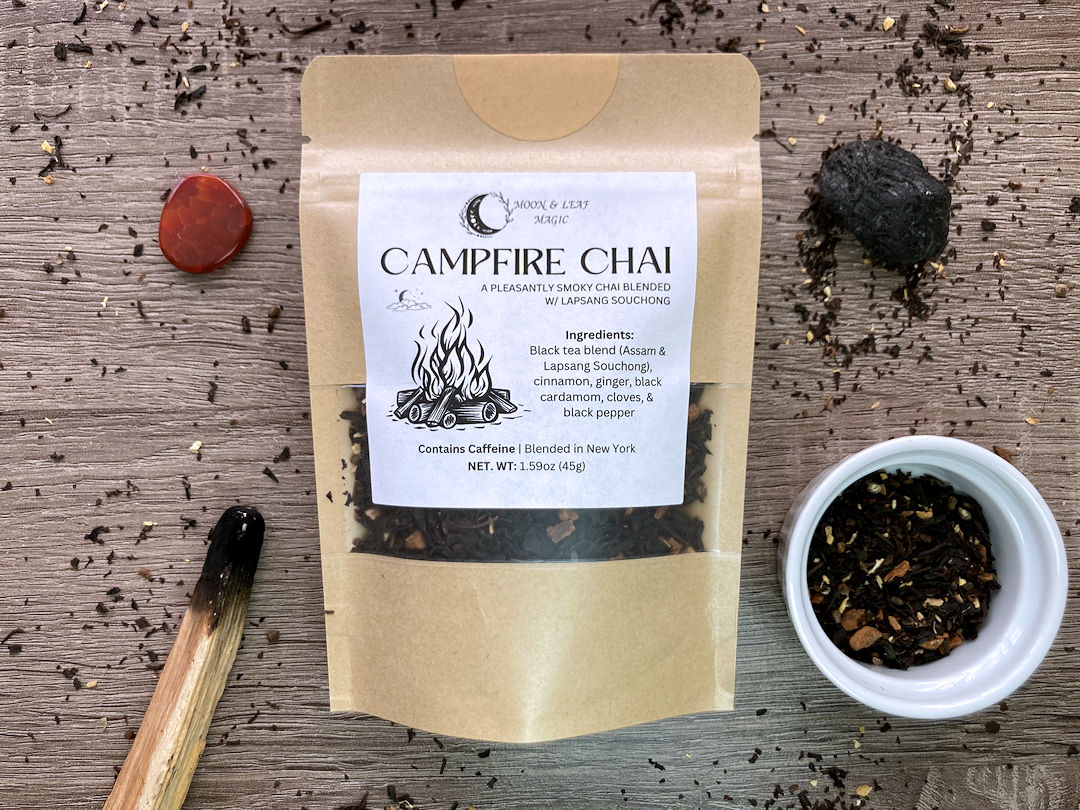 Campfire Chai: Masala Chai Blended with Lapsang Souchong (Smoky Chai!)Select options
This product has multiple variants. The options may be chosen on the product page
Campfire Chai: Masala Chai Blended with Lapsang Souchong (Smoky Chai!)Select options
This product has multiple variants. The options may be chosen on the product page
-
 Tea of the Month ClubSelect options
This product has multiple variants. The options may be chosen on the product page
Tea of the Month ClubSelect options
This product has multiple variants. The options may be chosen on the product page
-
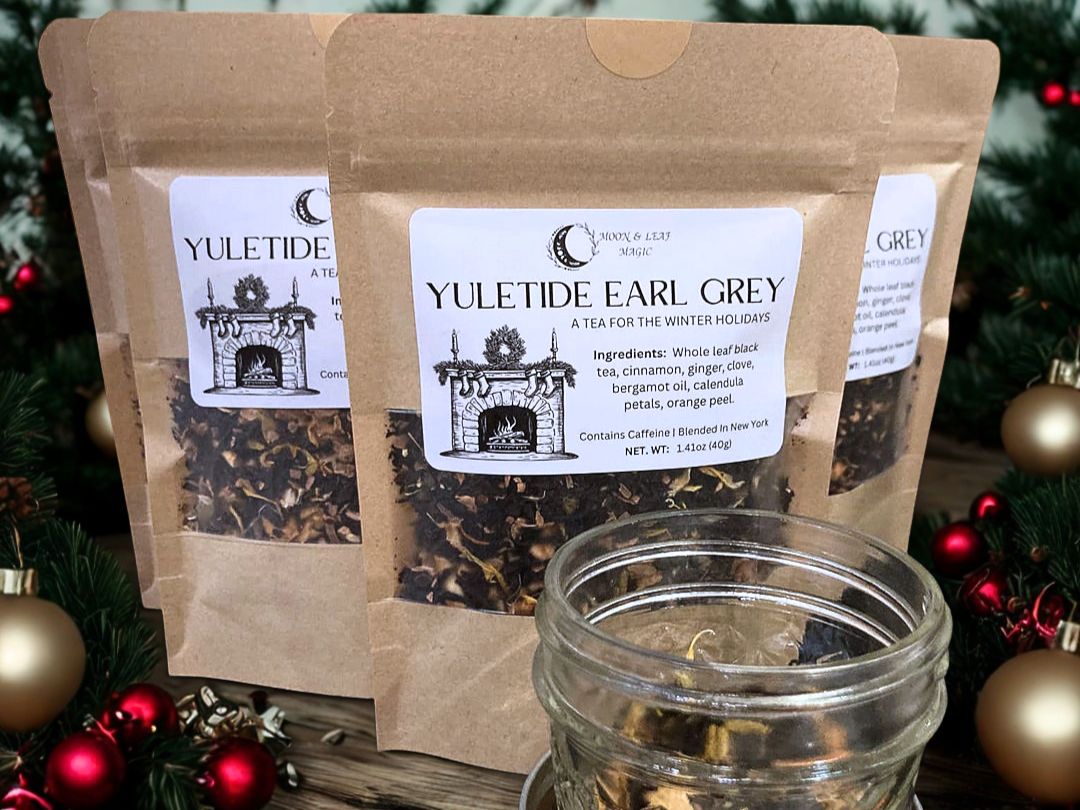 Yuletide Earl Grey Loose Leaf TeaAdd to cart
-
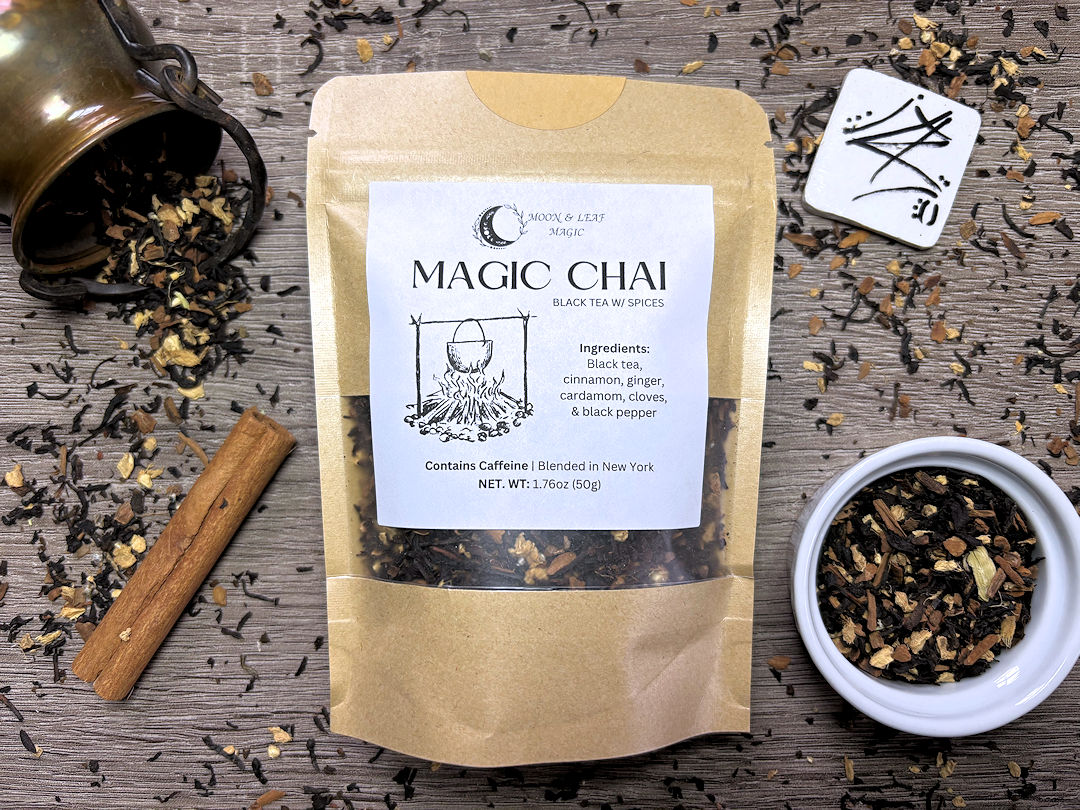 Magic Chai: A Classic & Cozy Masala ChaiSelect options
This product has multiple variants. The options may be chosen on the product page
Magic Chai: A Classic & Cozy Masala ChaiSelect options
This product has multiple variants. The options may be chosen on the product page